A Comprehensive Guide to Grooving Tool Usage: Differences and Techniques in External, Internal, and Facing Machining
Key Points for Using Grooving Tools
In the machining process, we often need to use grooving tools to create three different types of grooves on external surfaces, internal bores, and end faces. These grooving operations have distinct characteristics, requiring us to select appropriate tools and machining methods based on specific conditions.
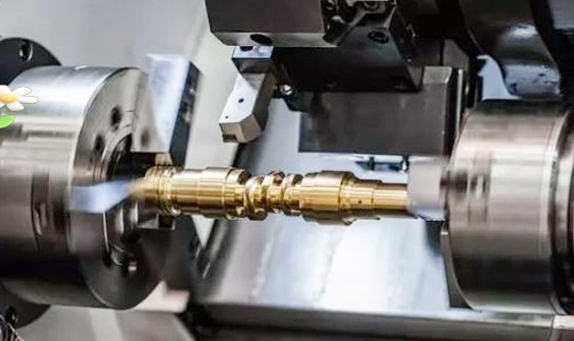
Differences Between External, Internal, and Facing Grooving
It is worth noting that external grooving is intuitive and easy to operate. Workers can directly observe the machining process, and the operation is relatively straightforward due to the effects of gravity and cutting fluid. However, internal bore and facing grooving are more challenging, demanding superior cutting fluid systems and machining techniques. They not only require more efficient cutting fluid and chip evacuation systems but also call for higher machining skills and experience from operators.
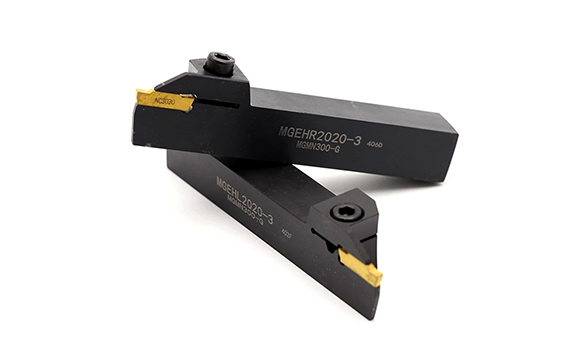
Impact of Material Properties on Machining
Before commencing machining, it is imperative to understand key parameters of the material, such as tensile strength, work-hardening characteristics, and toughness. Different materials may require specific tool geometries for effective cutting; therefore, familiarity with these material properties directly influences machining results and tool durability.
Efficient Machining with Form Tools
When the machining volume is large, form tools are recommended. These tools can efficiently machine most or even the entire groove shape in a single cut, thereby significantly reducing machining time. Form tools are suitable for high-volume machining scenarios, enabling rapid and efficient production of the required groove shapes while shortening processing time.