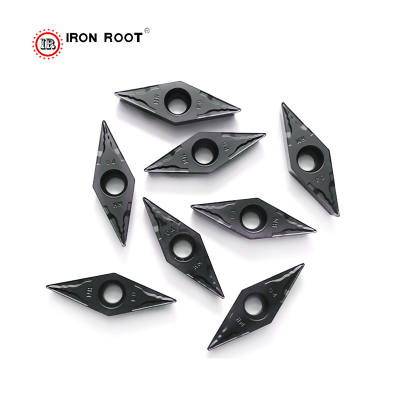
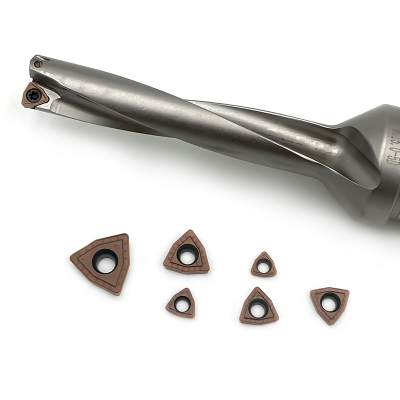
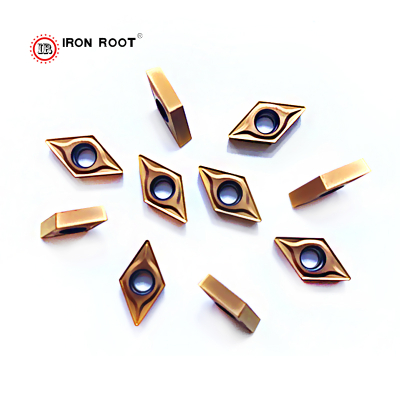
Crafting efficient and precise processes, all within "IRON ROOT."
Transform every cut into a masterpiece of perfection! Our CNC cutting tools are designed not only for exceptional durability and precision but also to elevate your craftsmanship to new heights. Whether you're engaged in metal machining or wood carving, our tools are up to the task, delivering unparalleled cutting experiences. Choose our CNC tools today and embark on a new chapter of efficiency and excellence in your work!
In modern manufacturing, CNC tools have become an indispensable and important tool. They are not only the core components in mechanical processing, but also the key to improving production efficiency and ensuring product quality. Today, let us take a deeper look at how CNC tools can help you achieve efficient production through excellent durability and precision.
1. Durability of CNC tools: the cornerstone of production efficiency
The durability of CNC tools is one of their core advantages. Modern CNC tools are usually made of high-performance materials such as tungsten steel (carbide), ceramics and superhard materials. Not only are these materials extremely hard, they are also stable at high temperatures, significantly extending the life of the tool.
Taking carbide tools as an example, their hardness can reach 80-90 HRA (Rockwell hardness), which can remain sharp during high-speed cutting while resisting wear and thermal deformation. This means that during long processing times, the performance of the tool will not decline significantly, reducing downtime caused by tool wear and significantly improving production efficiency.
In addition, the durability of CNC tools is also reflected in their design. Many cutting tools use advanced coating technologies, such as TiAlN (titanium aluminum nitride) and AlTiN (aluminum titanium nitride) coatings, which not only enhance the wear resistance of the cutting tools, but also effectively reduce the cutting temperature and further extend the cutting time. Tool life.
2. The accuracy of CNC tools: the key to quality assurance
Precision is another important characteristic of CNC tools. In machining, precision directly affects the quality and consistency of the product. Through high-precision manufacturing technology and advanced design, CNC tools can achieve extremely high processing accuracy and meet the processing needs of various complex parts.
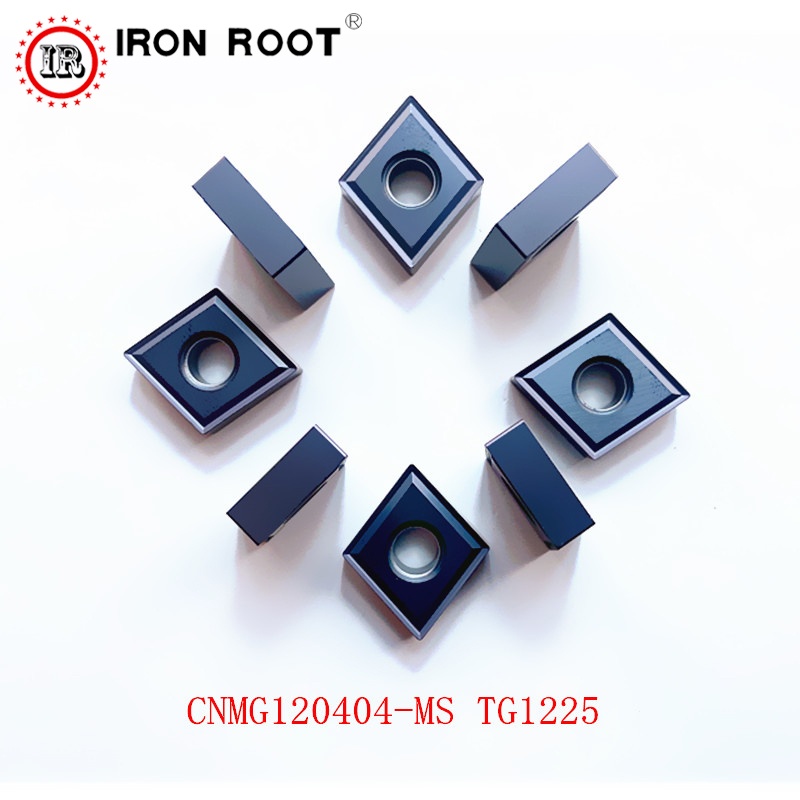
For example, the CNMG series CNC blades, with their unique geometry and coating technology, enable them to maintain stable cutting force and precision during machining. Suitable for a wide range of materials including steel, stainless steel and cast iron, these inserts enable efficient transition from roughing to finishing, ensuring smooth surface finish and dimensional accuracy.
In addition, the accuracy of CNC tools is also reflected in their adaptability to complex shapes and high-precision requirements. By optimizing the cutting parameters and paths of the tool, CNC tools can achieve highly consistent processing results in automated production, reduce human errors and improve product quality.
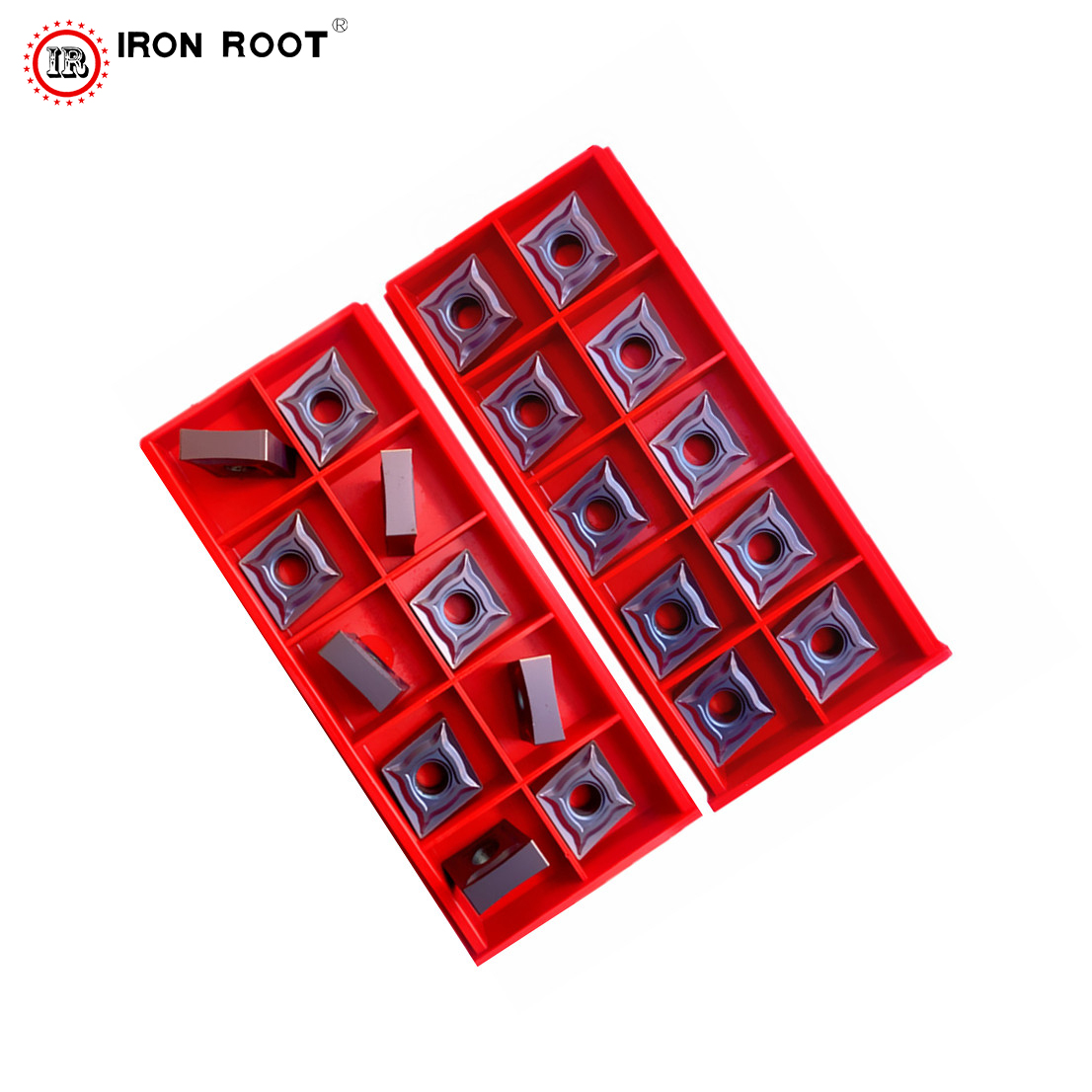
The high production capacity of CNC tools is not only due to their durability and precision, but also reflected in the following aspects:
1. Reduce downtime
Durable knives reduce the frequency of replacement due to wear or damage, thus reducing downtime. This not only saves time, but also reduces the cost losses caused by idle equipment.
2. Improve processing efficiency
CNC tools can withstand higher cutting speeds and feed rates while maintaining stable machining performance. This means that more processing tasks can be completed in the same amount of time, significantly improving production efficiency.
3. Optimize production process
Through precise cutting parameter settings and automated control, CNC tools can achieve efficient machining processes. This not only improves production efficiency, but also reduces material waste and lowers production costs.
4. Improve product quality
Precise processing capabilities ensure high product quality and consistency, reducing the rate of defective products. This not only improves the company's market competitiveness, but also reduces rework and returns due to quality issues.
4. Choose the right CNC tool
Selecting the right CNC tool is critical to achieving efficient production. Different machining tasks and materials require different types of tools. For example, for stainless steel machining, tools with anti-stick coatings are recommended, while for cast iron machining, more wear-resistant tools are required.
In addition, the geometry and size of the tool will also affect the machining results. For example, the 80° diamond design of the CNMG series inserts makes them excel in heavy-duty cutting tasks, while other shapes may be better suited for light cutting or finishing.
When choosing CNC tools, you also need to consider the tool coating technology. Advanced coatings can significantly improve the wear resistance and thermal stability of cutting tools, extend tool life and improve machining efficiency.
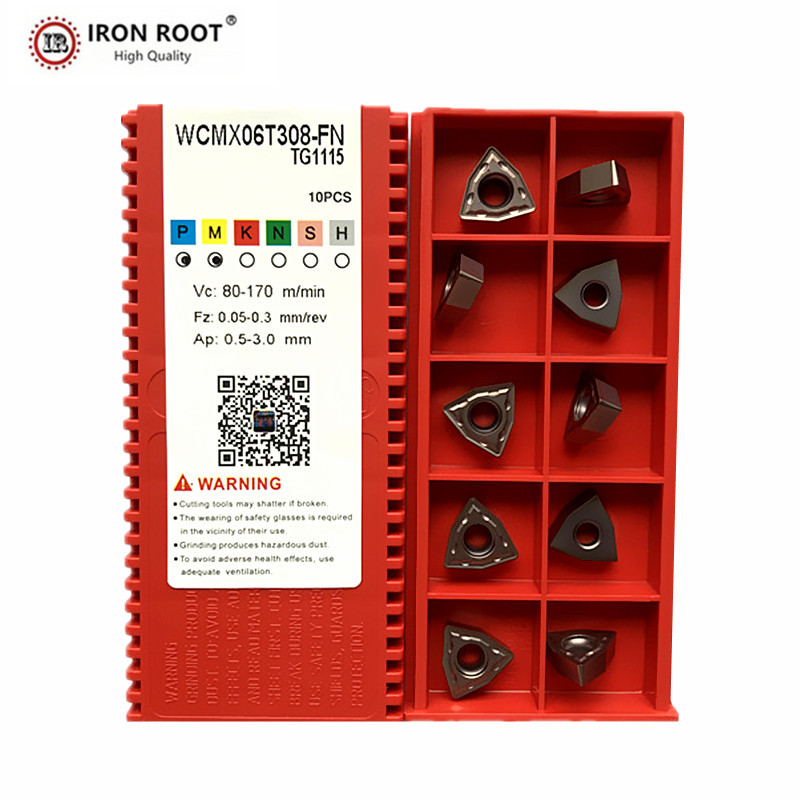
CNC cutting tools are not only the core tools of modern manufacturing, but also the key to achieving efficient production and high-quality processing. Through excellent durability and precision, CNC tools can significantly improve production efficiency, reduce production costs, and ensure product quality. Choosing the right CNC tool and optimizing machining parameters will bring significant economic benefits and competitive advantages to your business.
In today's highly competitive market environment, choosing high-quality CNC tools is an important step to enhance corporate competitiveness. Whether it is metal processing or wood carving, CNC tools can easily handle the task and bring you unparalleled cutting experience.
Come and choose the CNC tool that suits you and start a new chapter of efficient production!