Essential Knowledge About CNC Cutting Tools
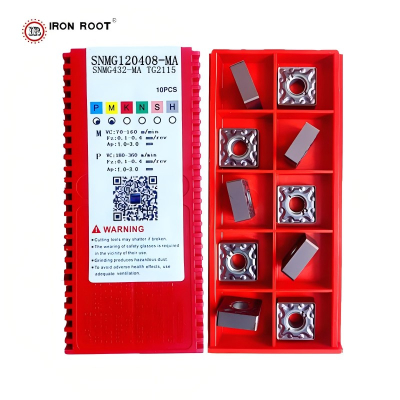
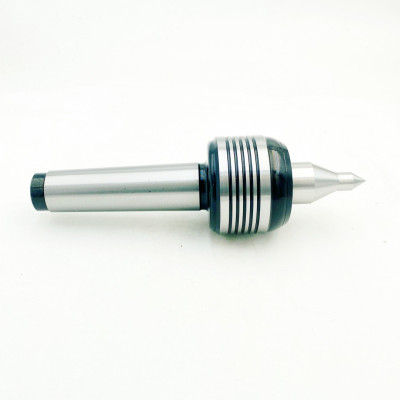
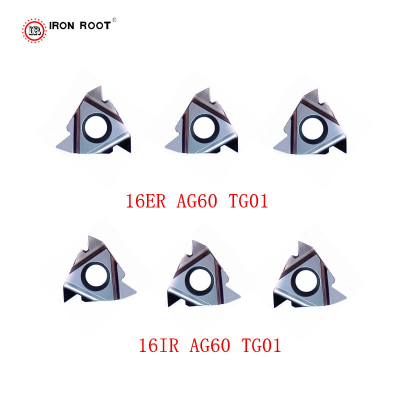
Essential Knowledge About CNC Cutting Tools: Key Insights for Precision Machining What Are CNC Cutting Tools? CNC cutting tools are precision instruments used in computer numerical control (CNC) machining processes to remove material from workpieces with high accuracy. These tools—critical for modern manufacturing—come in various types, each engineered for specific operations like CNC milling, turning, drilling, and threading. Common Types of CNC Cutting Tools 1. Milling Cutters End mills: Versatile for facing, profiling, and slotting Ball nose end mills: Ideal for 3D contouring and curved surfaces Corner radius milling cutter arbor: Enhances surface finish and tool longevity Round nose milling cutter bar: Specialized for contour machining 2. Turning Tools Carbide inserts: Replaceable, wear-resistant tips for high-speed operations Boring bars: Precision tools for enlarging existing holes 3. Drilling Tools Twist drills: For creating initial holes in metals, plastics, and composites Reamers: Improve hole dimensional accuracy and surface smoothness Key Performance Features to Consider Hardened & vibration-resistant:Ensures stability during high-speed cutting Wear resistance:Extends tool life, reducing replacement costs Smooth chip evacuation::Prevents clogging and maintains cutting precision Heat resistance:Critical for withstanding extreme temperatures in heavy-duty machining Quenched & hardened:Enhances durability for tough materials like steel and titanium Factors Influencing Tool Longevity Cutting parameters (spindle speed, feed rate, depth of cut) Workpiece material (aluminum, stainless steel, alloy metals) Coolant efficiency: Reduces friction and heat buildup Proper tool selection: Matching tools to operations (e.g., ramp machining, groove cutting) Maintenance: Regular inspection for wear and correct sharpening Tips for Optimizing CNC Tool Performance Choose tools from trusted series (e.g., EMR/EMRW series) for consistent results Calibrate cutting parameters to workpiece hardness Ensure secure tool clamping to minimize vibration Replace carbide inserts promptly when wear is detected
Train operators on proper tool handling and storage
Understanding these fundamentals helps manufacturers enhance productivity, reduce downtime, and achieve superior machining quality—whether working with simple slots or complex 3D contours.