Solve CNC machining pain points and increase efficiency by 30%
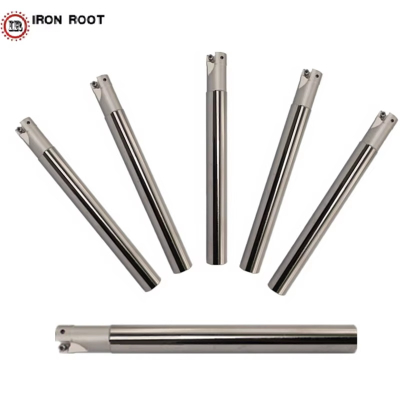
Curved Surface Precision Issues: Use round nose milling cutter shanks (EMR/EMRW series). Their arc heads reduce vibration errors, ideal for 3D curves, and achieve Ra ≤ 0.6μm finish with carbide.
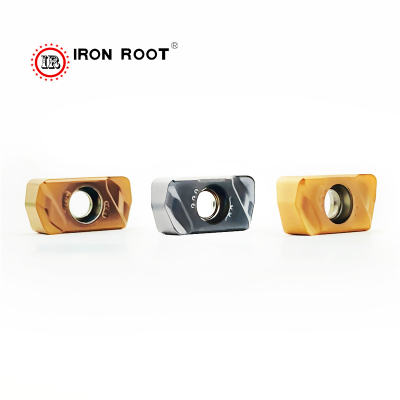
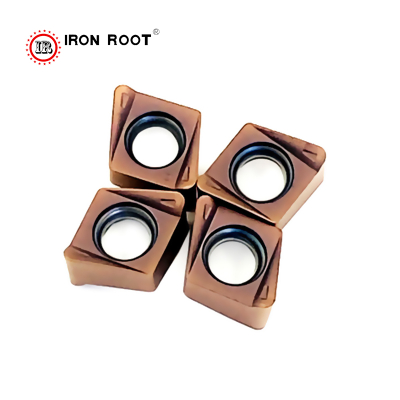
Deep Hole Inefficiency/Breakage: Choose U-drill inserts (SP series) for holes >5x diameter. Double edges + internal cooling cut efficiency by half, fitting alloy/stainless steel.
Hardened Steel (HRC≥55) Wear: Switch to ceramic/CBN CNC cutting tools (heat resistance >1200°C, 1/5 wear of carbide).
Shank Diameter: Match spindle (e.g., BT40 → φ16/φ20 milling cutter shanks; avoid too thin/thick).
Cutting Edges: 4-flute round nose shanks for rough machining (fast feed); 2-flute for finishing (smooth chip evacuation).
Coatings: TiAlN (steel, 800°C); AlCrN (high-temp alloys); uncoated (aluminum/copper).
Automotive: Modular tools (e.g., quick-change insert round nose shanks) for engine block mass production.
Mold: Long-neck milling shanks (50-100mm) + precision holders for deep cavities.
Aerospace: HSS/ultra-fine carbide tools for titanium/aluminum (toughness resists high cutting forces).
Test Cut: Calibrate speed/feed (e.g., U-drill inserts on 45# steel: 800-1200rpm, 0.15-0.2mm/r).
Wear Check: Replace milling shanks if edge chips or flank wear >0.2mm.
Calibration: Use a tool setter for length/radius after changes (critical for round nose shank arc precision).